
Drywall Repair in Chicago: Invisible Patches for Old Plaster and New Walls
Free estimates, detailed surface preparation and our 1-year quality guarantee. Call Empire Painters Chicago to discuss your project and scheduling.
- Zero travel or hidden fees
- 100% covered for 1 full year
- Detailed surface preparation
- Home
- Drywall Repair
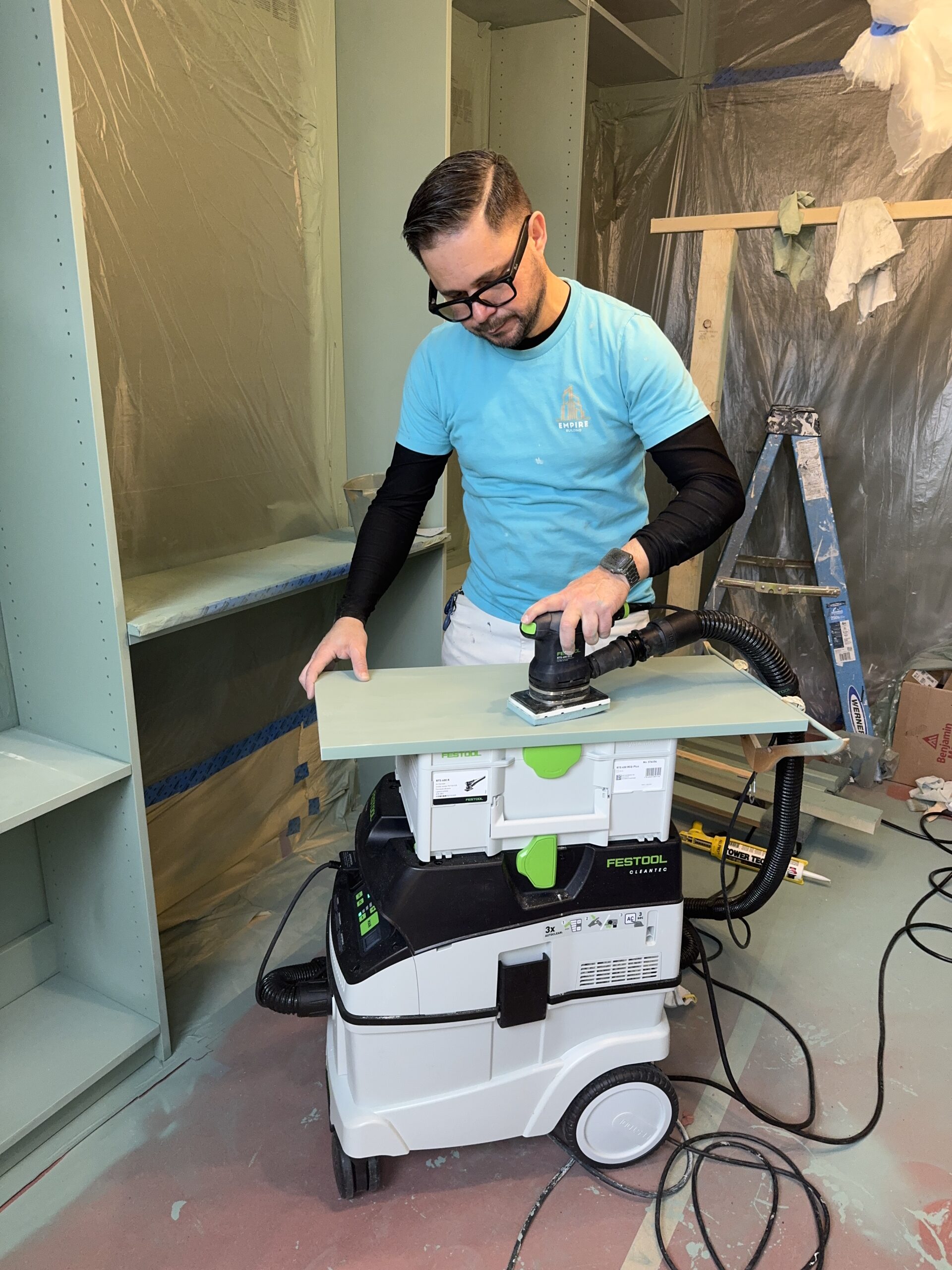
- Hairline cracks along seams or corners: usually normal settling, common in older two flat buildings near Avondale where plaster sits directly over wood lath
- Stress cracks around door and window frames: often tied to how the frame was originally installed
- Holes from doorknobs, furniture, or old anchors: simple to fix, but the drywall around the edges still needs a real check
- Water stains or soft, spongy spots: never just cosmetic, always a sign of moisture working behind the wall
- Identifying Underlying Surface Damage
Diagnosing Cracks, Holes, and Water Stains Before Any Patch Begins
EXCELLENT Based on 32 reviews
 Posted on Google
 Marialex BovesGreat experience with Empire Painters Chicago. Jorge and his team transformed our bedroom from a very dark green to a much lighter color, and the difference is amazing. They were professional, clean, and paid attention to every detail. Highly recommend them for interior painting in Chicago.Posted on Google
 Courtney H.
Trustindex verifies that the original source of the review is Google.
Empire staff and contractor manager is very professional. Jorge, Deivis and Miguel worked on prepping the walls and painting very diligently. Jorge answers all texts and calls promptly. Painters Deivis and Miguel was always on time and always asked for approval of their work as they moved along. I had a very pleasant experience. I would definitely call and use them for my painting and dry wall needs.Posted on Google Andrew KinaciJorge and his crew came in to help me with a new rental property. They turned two units that needed substantial prep work over quickly and efficiently, with beautiful clean walls ready for new residents. I’d recommend Empire Painters for any project, they have a great attention to detail and fair pricing for a high quality finished product!Posted on Google
 Brendon EbertGood and effective work + Good pricePosted on Google
 Andrea VizzariWe have trusted Jorge and his team at Empire to do many projects for us over the years the years and they continually go above and beyond to provide beautiful work. They did the entire exterior painting and repair of our house I and blew us away with the quality of their work. Interior jobs are done to perfection as well. They are professional, clean, and courteous. Their work is very precise and well done. Most importantly they truly care about doing a good job and take pride in their work. For good reason- we receive so many compliments on thier work and the transformations they have helped us accomplish on our 1903 home that needed tons of work. We have gotten to know George and his crew over the years and would recommend them to anyone!Posted on Google
 Katherine LealI hired Empire Painters Chicago to paint my living room, and the results were outstanding. Jorge helped solve several wall issues before painting, and the final finish was flawless. The team was professional, carefully protected my furniture, and left everything spotless. I highly recommend Empire Painters Chicago for anyone looking for interior painting services in Chicago.Posted on Google
 George HerreraMy wife and I had our house painted, and the results exceeded our expectations. Jorge was professional, punctual, and paid close attention to every detail. Jorge took the time to properly prepare the surfaces, kept the work area clean, and delivered a flawless finish. Communication was key throughout the project, and everything was completed on schedule. Our home looks amazing, and we couldn't be happier with the quality of the work. I highly recommend Jorge and Empire Painters Chicago to anyone looking for a skilled and reliable painter.Posted on Google
 Isabel UgazWe are very satisfied with the service provided by Empire Painters Chicago. After trying a couple of companies to repair our building fence, a neighbor recommended Empire Painters. Jorge was very fast to reply to our inquiry. He booked us in a timely manner and the job he and his team did was excellent. We will be recommending him to our neighbors and look forward to working with his team in future painting projects.Posted on Google
 Alice VilaJorge did a great job. He protected all of the woodwork and cleaned up. Did work as promised in the tine frame we required. Very professional. Would definitely hire again.Posted on Google
 maryann Sprinkle-WalkerHighly recommend Jorge for painting & accent walls! His precision & attention to details is insane!! A true perfectionist! I wish I had taken photos on him taking measurements, marking the spaces like an engineer with the various tools!! Added wainscoting on staircase Accent wall in dining room & family room
Send us details or photos of your damaged drywall or plaster, and our team will provide a transparent, itemized quote to prepare the surface for paint.
- Precision Texture Matching
- Dust-Controlled Workspaces
- Transparent, Itemized Pricing
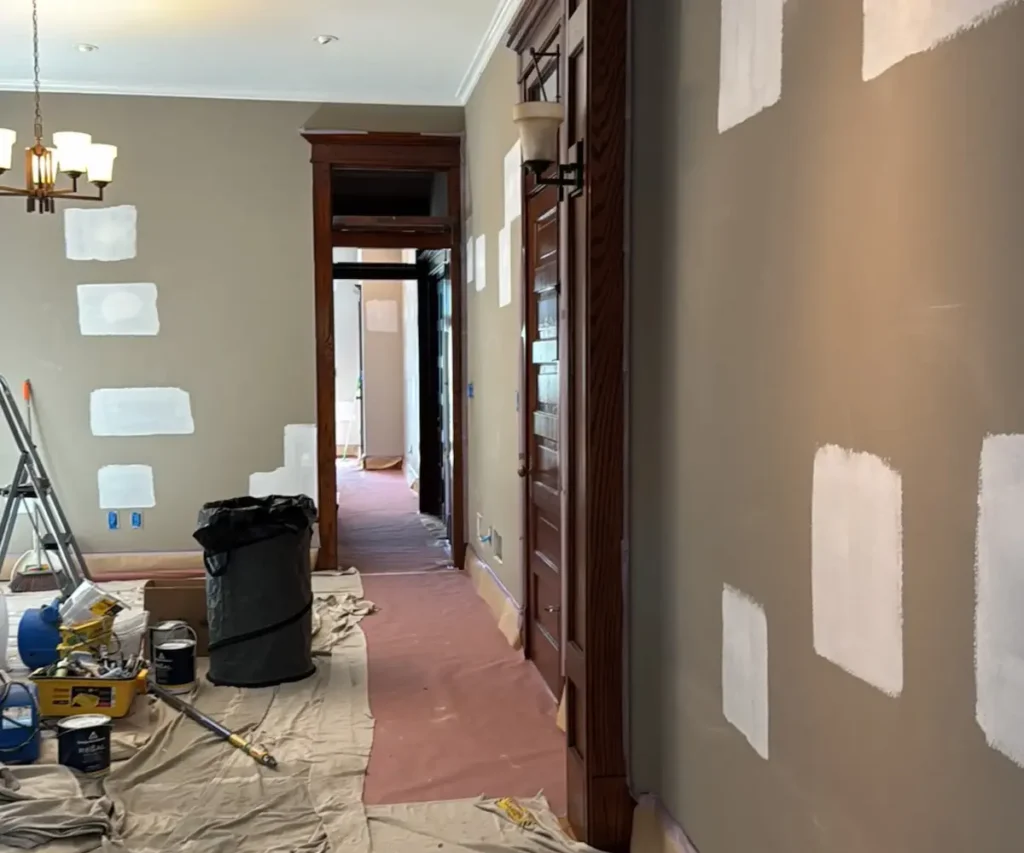
Plaster Walls vs Modern Drywall: Why Older Buildings Need a Different Fix
A lot of the two-flats and greystones around Logan Square and Wicker Park went up before 1940. Those walls aren’t drywall at all. They’re plaster over wood lath, sometimes three coats thick, hung on strips nailed straight into the studs.
That matters because plaster cracks differently than drywall. Drywall dents and punches through. Plaster splits along the lath lines, and it can pull loose from the wood behind it without any visible hole at all. Tap on it and it sounds hollow, that’s the plaster keys breaking away from the lath, not just surface damage.
We see this every week. Someone patches a plaster crack with drywall compound alone, and it opens right back up within a season because the compound never bonded to the lath underneath.
Newer additions and post-war construction in Avondale and Hermosa usually run standard drywall panels, which behave more predictably. Fix a nail pop or a seam crack there, and it holds.
So the fix has to match the wall. Plaster repair means securing the lath, sometimes with plaster washers, before any compound goes on. Drywall repair means cutting back to solid material and taping properly. Mix up the approach and you’re just buying time before the crack comes back
Ready to repair damaged drywall and prepare your walls for paint?
Contact Information
- 3604 W Schubert Ave, Chicago, IL 60647, United States
- (312) 725-3621
- Monday - Saturday: Open 24 hours
- Sunday: Closed
- We carefully duplicate existing wall textures, from smooth plaster to heavy orange peel, so patched areas blend invisibly into surrounding surfaces.
- Our repair process utilizes plastic containment barriers and high-efficiency sanding tools to keep plaster dust and sheetrock debris out of your living area.
- You receive a clear breakdown covering all patching, joint compound taping, and priming before work begins, with no hidden trip fees.
- Evaluating DIY Repair Limits
When a Small Hole Doesn't Need a Professional
Not every hole needs a call. If you moved a picture frame and there’s a nail hole left behind, grab a tub of spackle from the hardware store. Same goes for a single screw hole from a shelf bracket, or a small ding from a doorknob that barely broke the paper. These are five minute fixes. A butter knife, some spackle, light sanding, done.
Here’s the honest test we tell people to use. Can you cover the hole with a quarter? Is the drywall around it still hard and solid, not soft or crumbly? Is there no water stain, no sagging, no smell? If yes to all three, save your money.
- Nail and screw holes smaller than a dime
- Minor dings from furniture or doorknobs with no cracking
- Small dents that didn't break through the paper layer
- Old picture hanger holes with clean, solid edges
We'd rather tell you the truth than send someone out for a job you can do yourself in an evening. Where it stops being a DIY job is when the hole gets bigger than your fist, when the drywall feels soft or spongy, or when there's a stain that keeps coming back after you paint over it. That's usually a sign something else is going on behind the wall. Not sure which category yours falls into? That's a fair question, and it's usually pretty easy to tell once someone takes a look.
Not sure what your Drywall repair project needs? Ask us.
Call now for a free estimate. Empire Painters Chicago is ready to help.
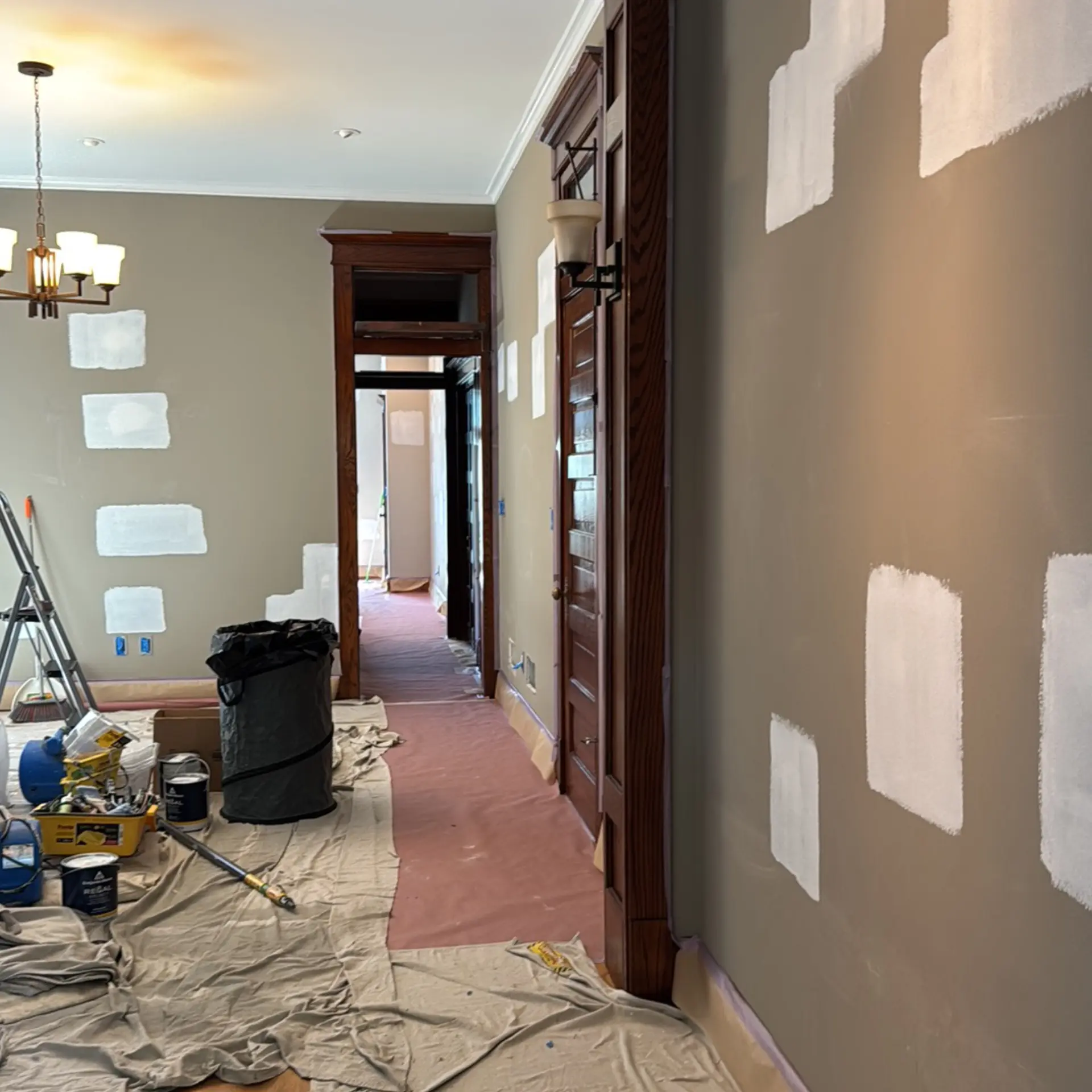
- Our Step-by-Step Restoration Process
Professional Drywall Repair in Chicago: From Prep to Paint Match
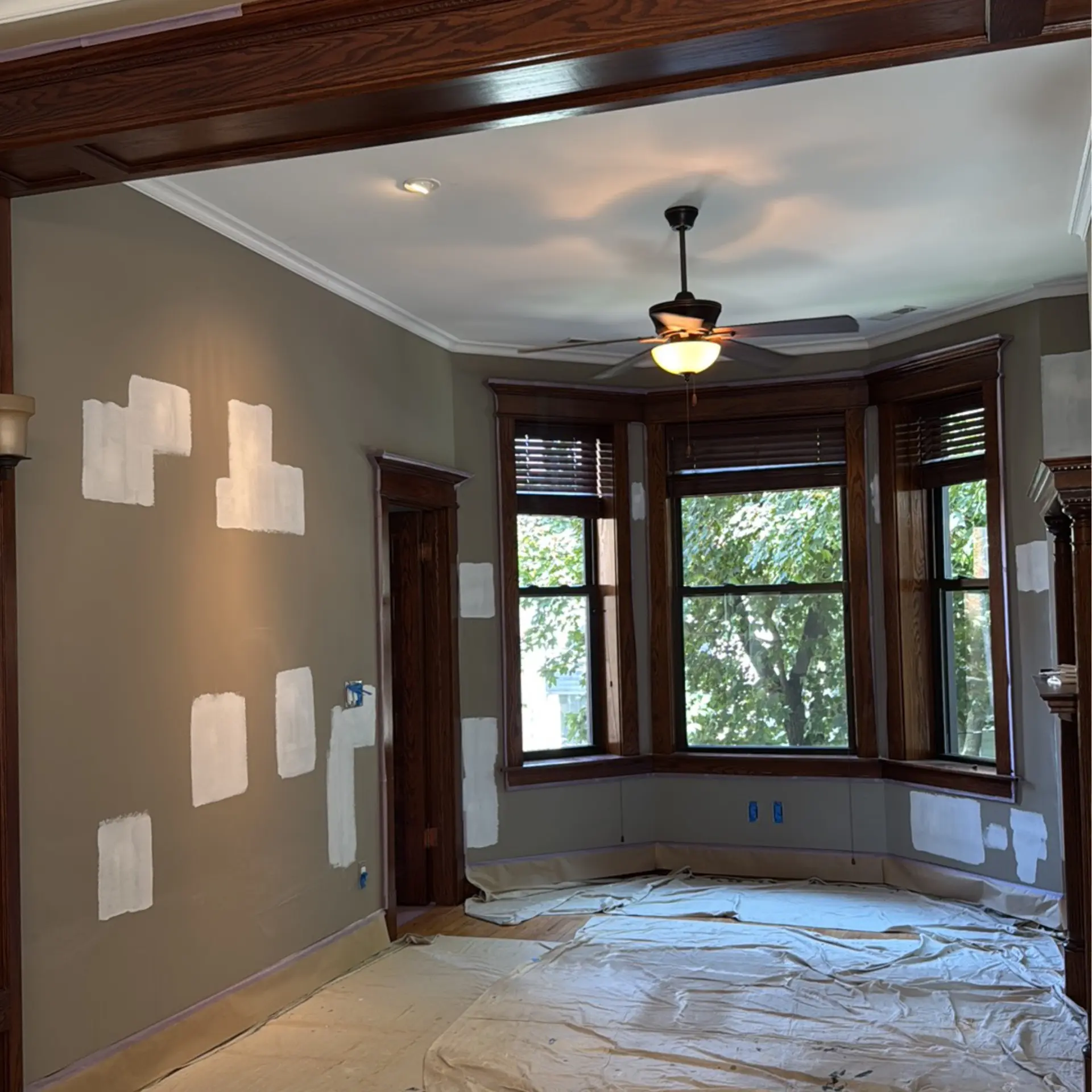
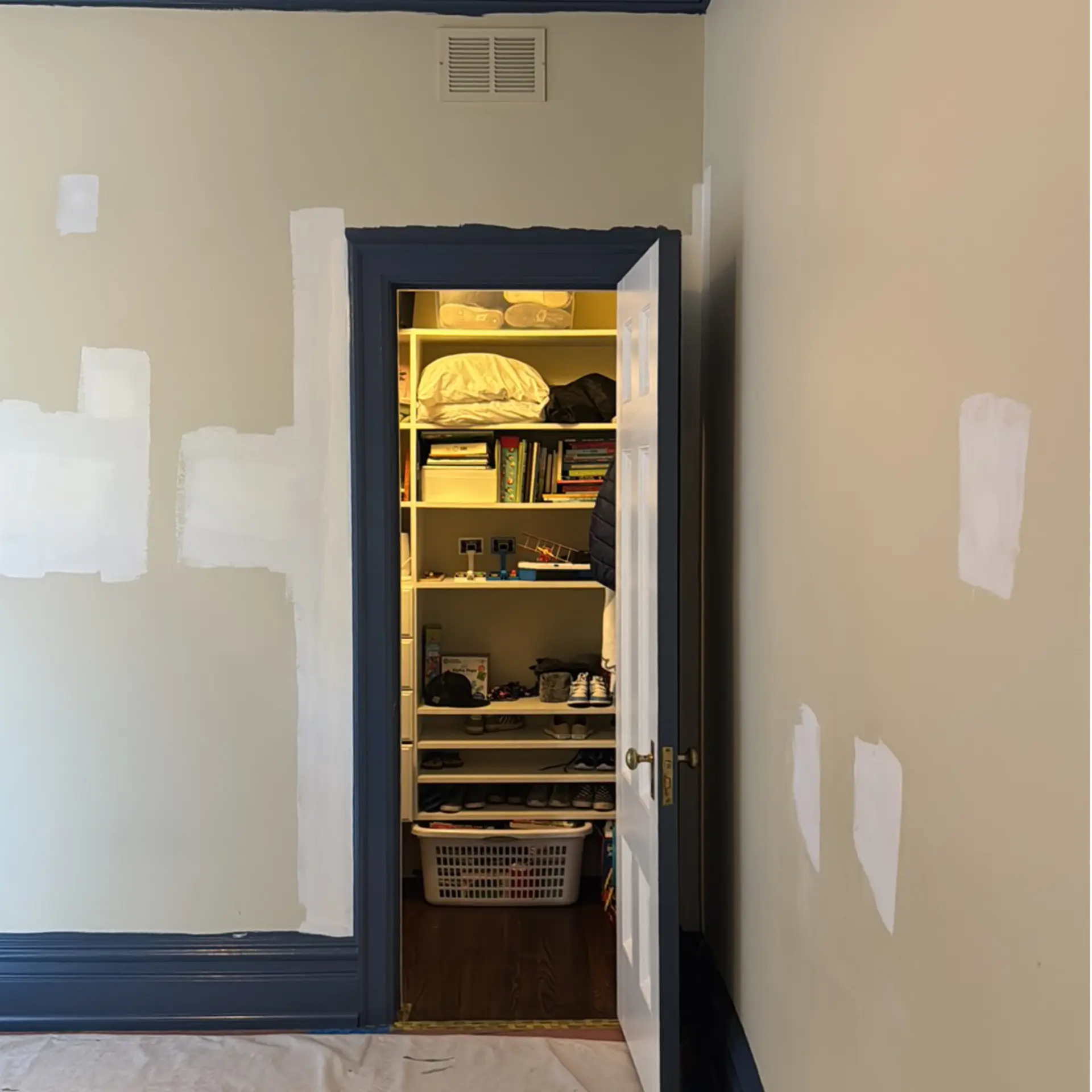
Drywall repair sounds simple. Cut out the bad spot, patch it, done. But that’s where most jobs go wrong.
We see this every single week. Someone patched a hole themselves, or a handyman rushed the texture, and now there’s a flat gray blob on the wall that catches every bit of light. Chicago’s older two-flats and greystones often have plaster walls over wood lath, not standard drywall. That changes how you cut, how you anchor the patch, and how you match the surface around it. Get that step wrong and no amount of paint fixes it.
Here’s how we approach it. We inspect the damage first, check for water staining or soft spots that hint at a bigger problem behind the wall. Then we cut clean edges, set new material, and tape and mud in layers so the seams disappear instead of ghosting through under paint.
- Matching the existing texture, whether it's smooth, orange peel, or a heavier knockdown pattern
- Sanding between coats so the patch sits flush, not raised or sunken
- Priming the repaired area so it doesn't flash a different sheen once painted
- Blending the final paint coat into the surrounding wall instead of just the patch
That last step is the one people skip. A patch can be technically perfect and still look wrong if the paint around it doesn’t get feathered in. Our team plans that from the start, not as an afterthought.
Jorge Díaz brings 26 years of construction and project management experience to how we plan each repair, and that engineering background shows up in the details, level lines, proper drying time between coats, and a final walkthrough before we call it finished.
Once repairs are complete and the surface is ready, our interior painting services can help finish the room with consistent color and coverage.
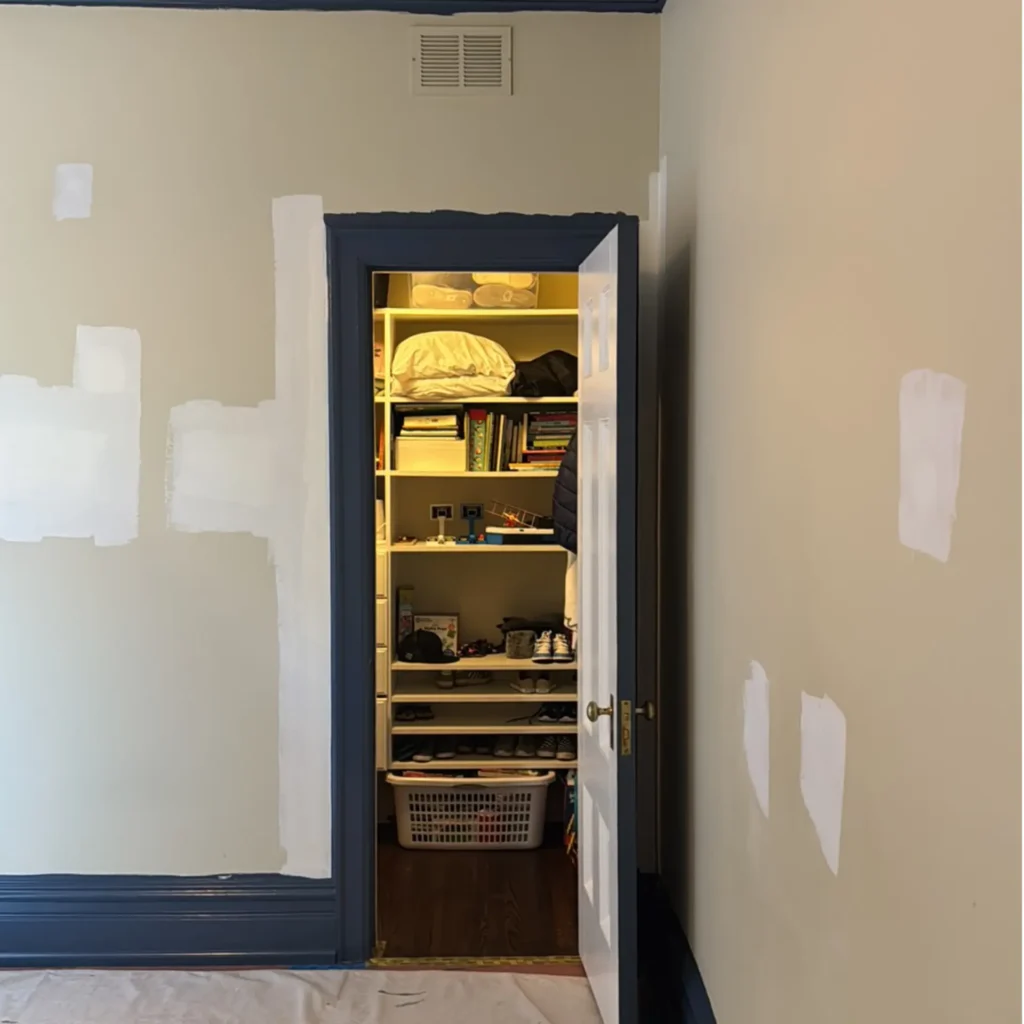
- Post-Sanding Inspection Standards
Verifying a Seamless Finish Before You Call the Job Done
- Feather edges are sanded flush, not just smoothed by feel
- Texture matches the surrounding wall, orange peel or smooth alike
- Primer is applied over the patch before topcoat, no exceptions
- No fastener heads showing through under direct light
- Dust is cleaned from the floor, sills, and nearby trim
So before anyone calls a drywall repair finished, we walk the room with the client. That final walkthrough is part of how we work, and it's the moment to point at anything that bugs you, not after the paint dries. Once topcoat goes on, fixing a texture mismatch means starting over on that section.One more thing worth checking: run your palm over the repair in a couple spots. It should feel like one continuous wall, not a patch you can trace with your fingers.
- Restoration & Patching FAQs
Common questions about Drywall repair