
Interior Painting in Chicago: Planned Right From the First Coat
Free estimates, detailed surface preparation and our 1-year quality guarantee. Call Empire Painters Chicago to discuss your project and scheduling.
- detailed surface preparation
- quality control
- clear proposals
- Home
- Interior Painting
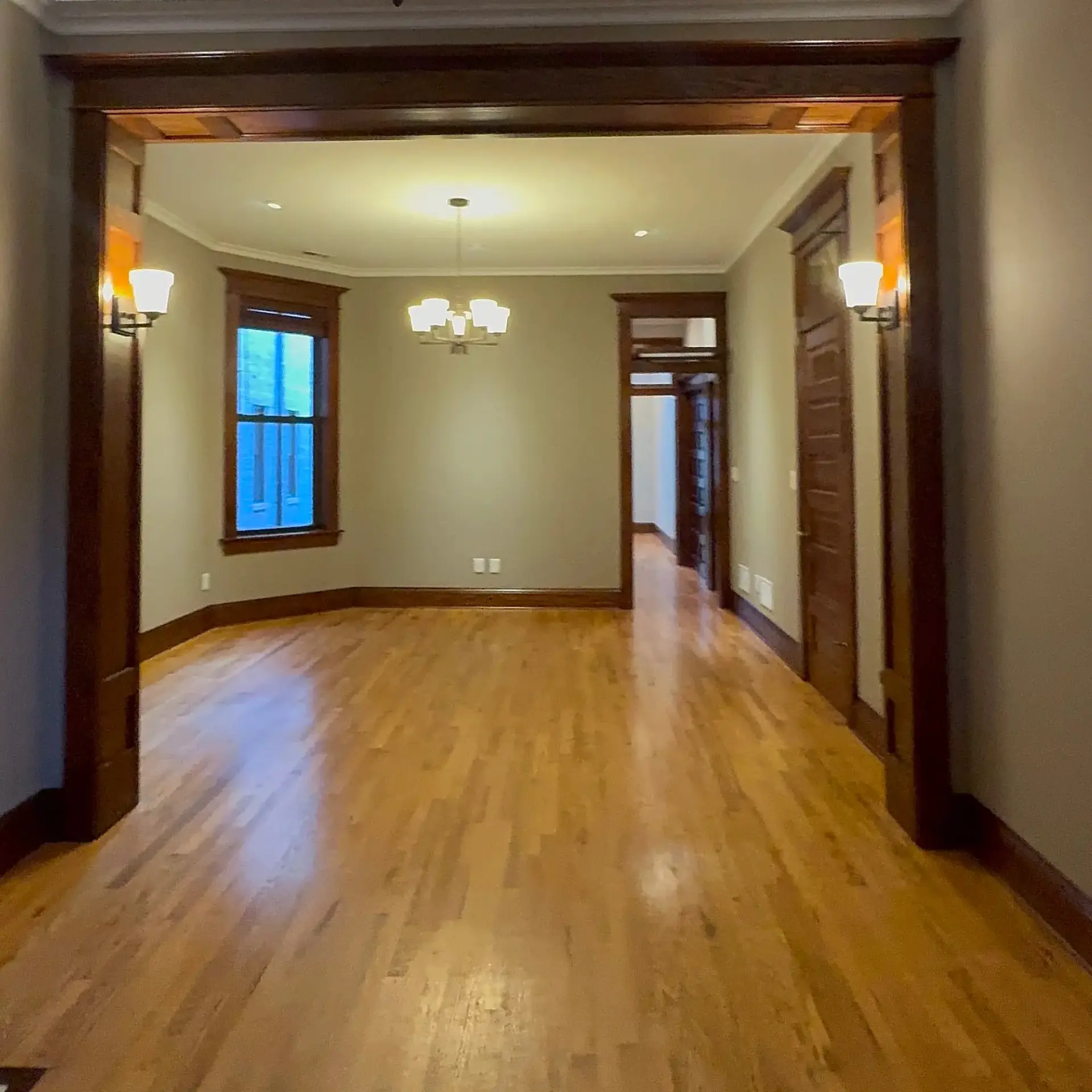
- Paint that chalks or rubs off dusty on your hand when you touch the wall
- Cracks that keep coming back after you've patched them once already
- Water stains or brown blotches bleeding through a fresh coat
- Sheen that looks patchy or blotchy under daylight, even right after painting
- Old patch jobs or repairs showing through as a different texture or shade
- Identifying Wall & Plaster Aging in Chicago Homes: When It’s Time for a Full Repaint
Spotting the Signs Your Walls Need a Full Repaint
Interior painting isn’t just picking a new color off a swatch, it’s knowing when the wall underneath has reached its limit. That’s the whole point we build a job around: catch the real problem early, and everything downstream gets easier and cheaper.
We walk into homes across Chicago every week and hear some version of the same story. The paint looked fine from the doorway, then someone got close and saw the truth.
In older Logan Square bungalows, original plaster walls crack along the seams as the building settles over decades. That’s a different animal than the small nail-pop dents you’d find in a newer drywall build near Avondale. Plaster cracking usually means the wall needs real repair work before any paint goes on, not just a fresh coat over the top.
Bedroom Painting: From Dark Green to a Lighter Color
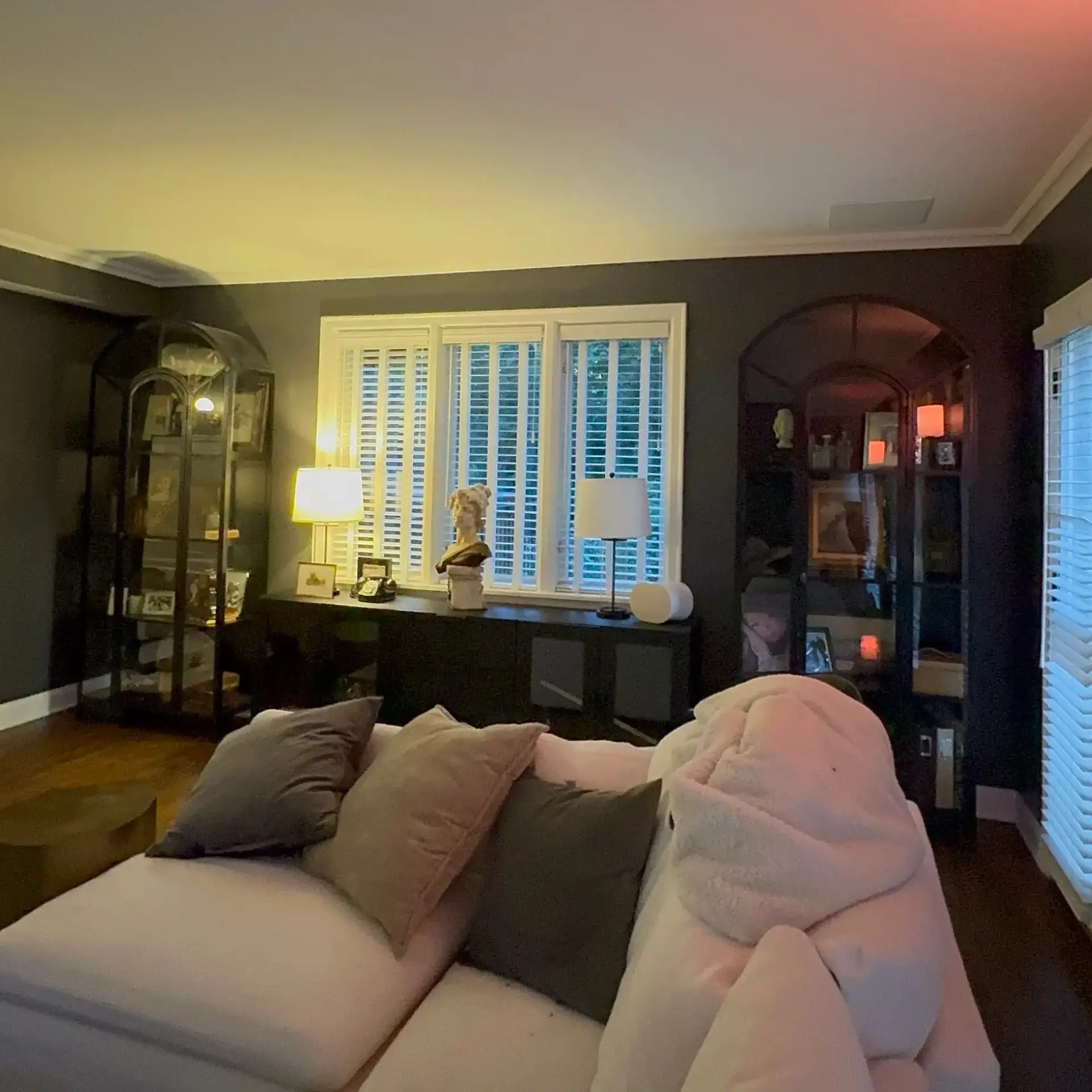
Empire Painters Chicago transformed this Chicago bedroom from dark green to a lighter color. Marialex’s review highlights Jorge and the team’s clean work and attention to detail.
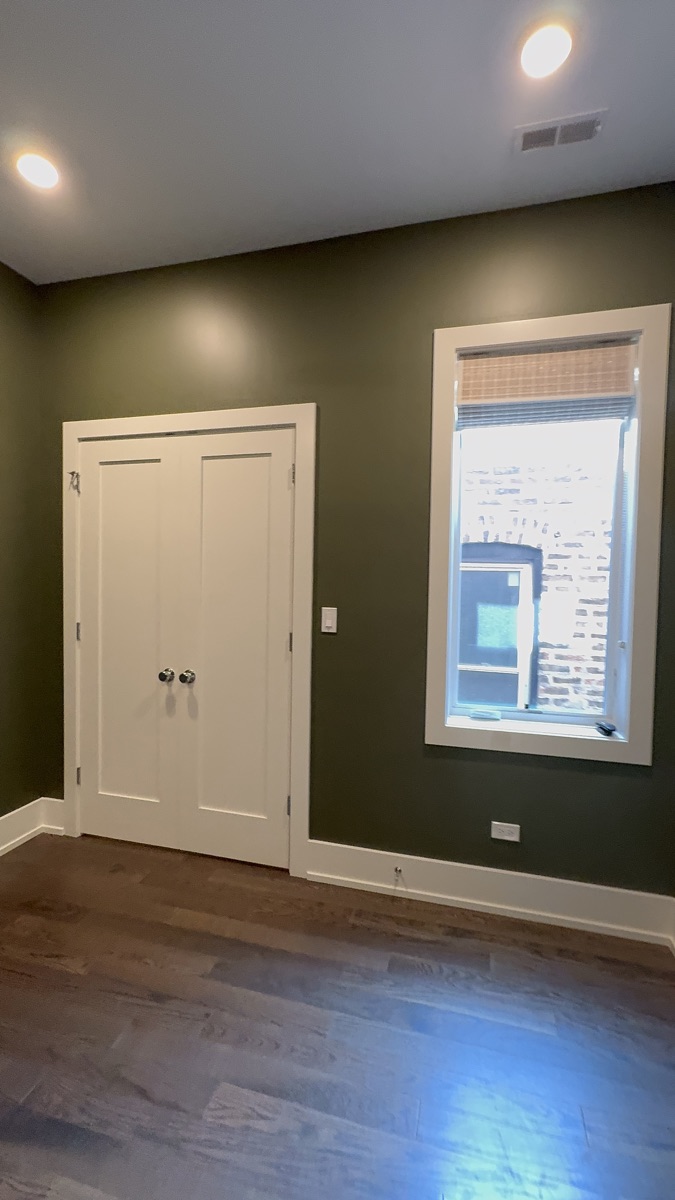
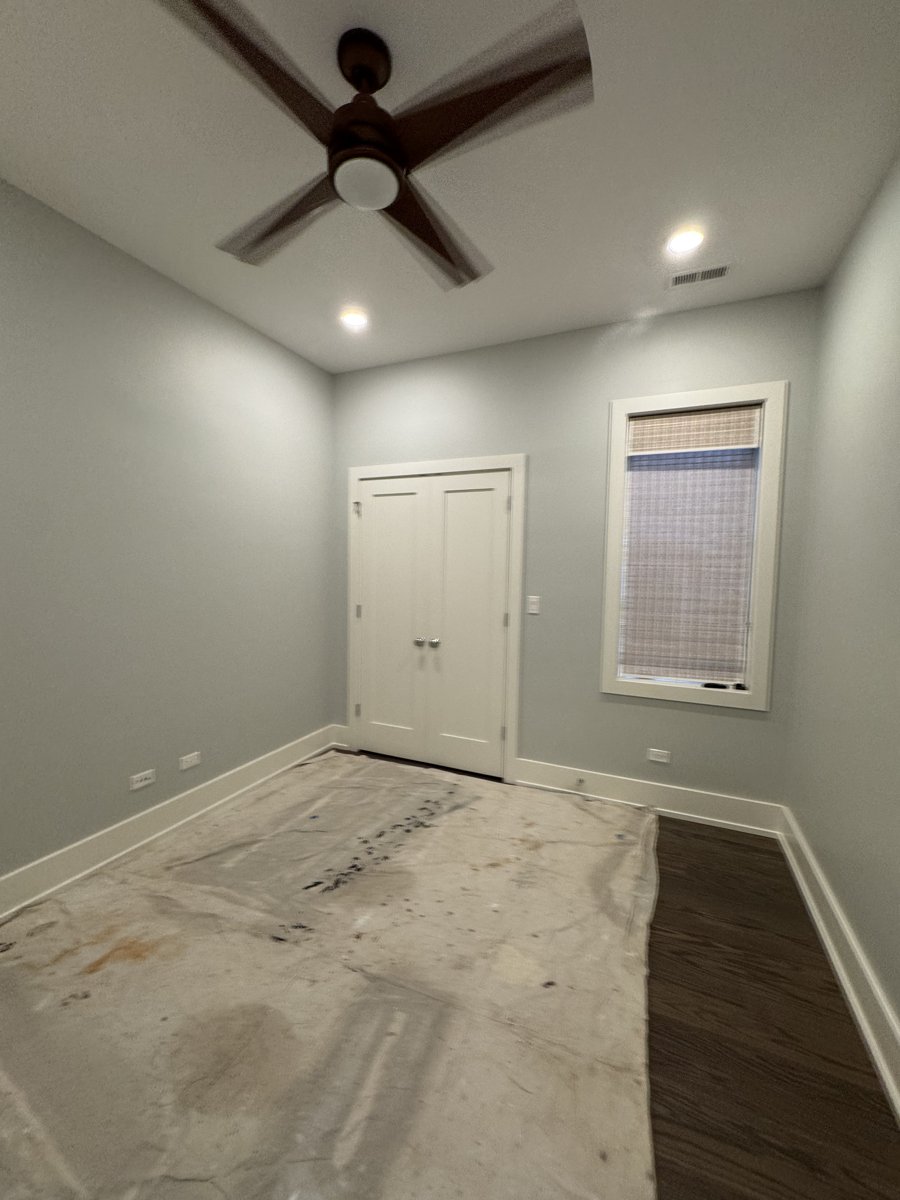
Planning a bedroom refresh? Call Empire Painters Chicago for a free estimate.
Updating built-in cabinets or shelving as part of your room refresh? Explore our cabinet painting preparation and finish gallery.
EXCELLENT Based on 32 reviews
 Posted on Google
 Marialex BovesGreat experience with Empire Painters Chicago. Jorge and his team transformed our bedroom from a very dark green to a much lighter color, and the difference is amazing. They were professional, clean, and paid attention to every detail. Highly recommend them for interior painting in Chicago.Posted on Google
 Courtney H.
Trustindex verifies that the original source of the review is Google.
Empire staff and contractor manager is very professional. Jorge, Deivis and Miguel worked on prepping the walls and painting very diligently. Jorge answers all texts and calls promptly. Painters Deivis and Miguel was always on time and always asked for approval of their work as they moved along. I had a very pleasant experience. I would definitely call and use them for my painting and dry wall needs.Posted on Google Andrew KinaciJorge and his crew came in to help me with a new rental property. They turned two units that needed substantial prep work over quickly and efficiently, with beautiful clean walls ready for new residents. I’d recommend Empire Painters for any project, they have a great attention to detail and fair pricing for a high quality finished product!Posted on Google
 Brendon EbertGood and effective work + Good pricePosted on Google
 Andrea VizzariWe have trusted Jorge and his team at Empire to do many projects for us over the years the years and they continually go above and beyond to provide beautiful work. They did the entire exterior painting and repair of our house I and blew us away with the quality of their work. Interior jobs are done to perfection as well. They are professional, clean, and courteous. Their work is very precise and well done. Most importantly they truly care about doing a good job and take pride in their work. For good reason- we receive so many compliments on thier work and the transformations they have helped us accomplish on our 1903 home that needed tons of work. We have gotten to know George and his crew over the years and would recommend them to anyone!Posted on Google
 Katherine LealI hired Empire Painters Chicago to paint my living room, and the results were outstanding. Jorge helped solve several wall issues before painting, and the final finish was flawless. The team was professional, carefully protected my furniture, and left everything spotless. I highly recommend Empire Painters Chicago for anyone looking for interior painting services in Chicago.Posted on Google
 George HerreraMy wife and I had our house painted, and the results exceeded our expectations. Jorge was professional, punctual, and paid close attention to every detail. Jorge took the time to properly prepare the surfaces, kept the work area clean, and delivered a flawless finish. Communication was key throughout the project, and everything was completed on schedule. Our home looks amazing, and we couldn't be happier with the quality of the work. I highly recommend Jorge and Empire Painters Chicago to anyone looking for a skilled and reliable painter.Posted on Google
 Isabel UgazWe are very satisfied with the service provided by Empire Painters Chicago. After trying a couple of companies to repair our building fence, a neighbor recommended Empire Painters. Jorge was very fast to reply to our inquiry. He booked us in a timely manner and the job he and his team did was excellent. We will be recommending him to our neighbors and look forward to working with his team in future painting projects.Posted on Google
 Alice VilaJorge did a great job. He protected all of the woodwork and cleaned up. Did work as promised in the tine frame we required. Very professional. Would definitely hire again.Posted on Google
 maryann Sprinkle-WalkerHighly recommend Jorge for painting & accent walls! His precision & attention to details is insane!! A true perfectionist! I wish I had taken photos on him taking measurements, marking the spaces like an engineer with the various tools!! Added wainscoting on staircase Accent wall in dining room & family room
- No hidden travel charges
- Clear project communication
- Fully insured & warranted
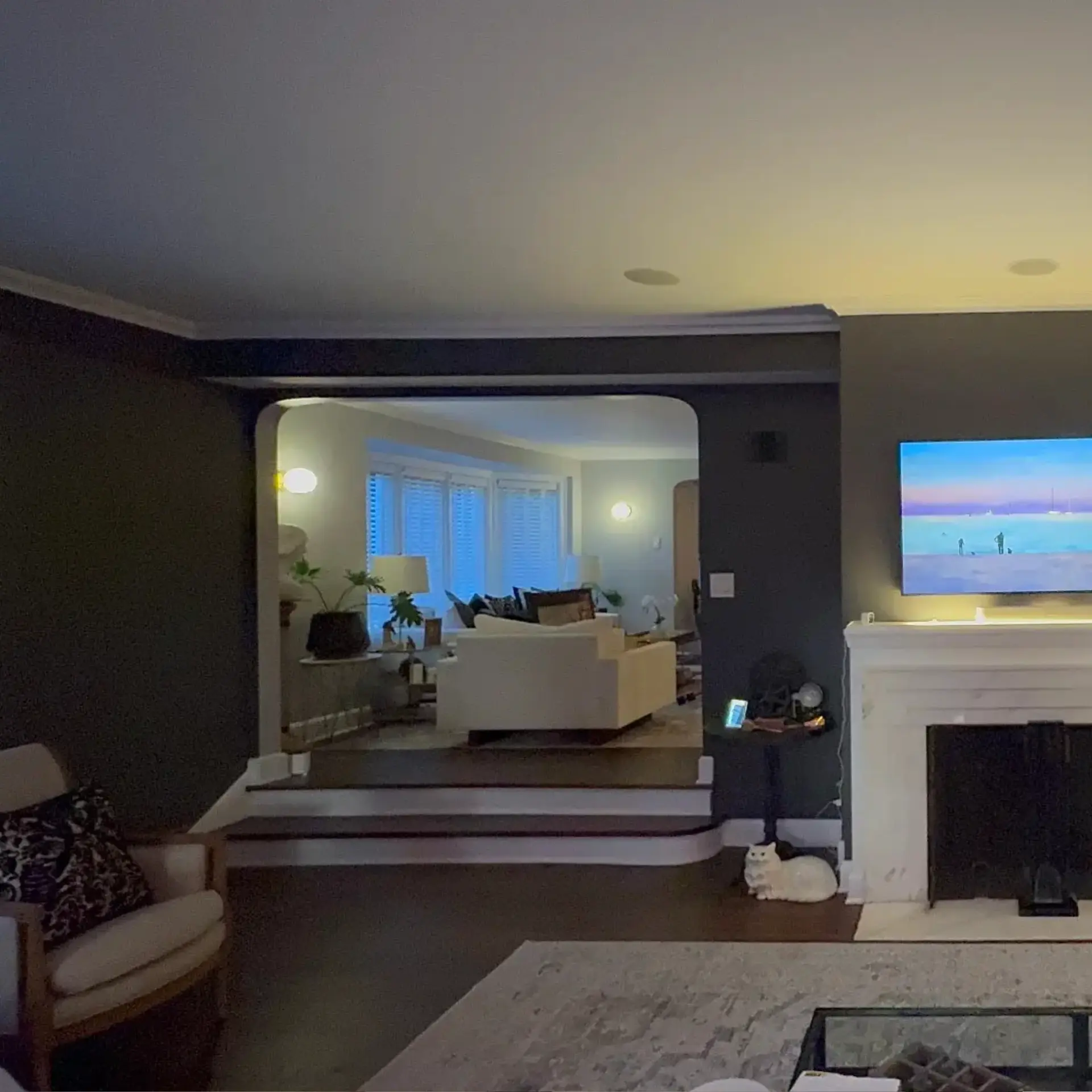
Plaster and Drywall Prep Follow Different Rules
Walk through a Logan Square two-flat built in 1910 and a South Loop condo built in 2005, and you are looking at two entirely different substrates hiding under similar-looking painted walls. The two-flat almost certainly has plaster over wood lath, a system that predates drywall by decades and behaves nothing like the gypsum board found in newer construction. Chicago’s housing stock skews old, with entire neighborhoods dominated by pre-1940 construction, which means a painting crew that only knows drywall techniques is unprepared for a huge share of the jobs they will encounter here.
Plaster is dense, brittle, and often cracked along stress lines from a century of settling, freeze-thaw cycles, and radiator heat. Patching plaster with standard drywall joint compound is a common shortcut that fails within a year because the compound and the plaster expand and contract at different rates, telegraphing hairline cracks back through fresh paint. Correct plaster prep calls for flexible patching compounds or actual plaster-based fillers, sanding techniques that avoid grinding through the finish coat into the brown coat below, and a bonding primer formulated to grip a harder, less porous surface.
Drywall, by contrast, is more forgiving to patch but more sensitive to seams, screw pops, and paper tears. Skim coating new drywall seams with the wrong compound thickness leaves faint ridges that only become visible once light hits the wall at an angle, a flaw that shows up weeks after the crew has left.
- Plaster walls need flexible, crack-resistant patching compound rather than standard joint compound
- Older plaster often requires a bonding primer to help paint adhere to its harder, glassier surface
- Drywall seams need feathered, thin-coat skim work to avoid visible ridges under raking light
- Water damage patterns differ: plaster stains spread through lime layers, while drywall stains often mean the paper has failed entirely
- Vintage trim and lath conditions in prewar Chicago buildings can affect how much moisture a wall assembly is already holding before painting begins
Contact Information
- 3604 W Schubert Ave, Chicago, IL 60647, United States
- (312) 725-3621
- Monday - Saturday: Open 24 hours
- Sunday: Closed
- Transparent Interior Painting Pricing: How We Calculate Prep Work, Materials, & Labor
How Interior Painting Quotes Are Structured
One of the biggest sources of frustration for Chicago homeowners is receiving three interior painting quotes that look nothing alike. The confusion almost always comes down to which pricing model a contractor uses and how much detail they include in the written proposal. A well-structured quote should never leave you guessing what is and is not covered, and it should specify the pricing method up front rather than burying it in vague line totals.
- Per square foot: Painters measure wall and ceiling area and apply a rate per square foot, common for larger condos, greystones, and multi-room repaints where consistency across similar spaces matters.
- Flat project rate: A single total price for the entire job, popular for whole-unit repaints in vintage Chicago walk-ups and new construction condos where scope is clearly defined in advance.
- Per room: Pricing broken out room by room, useful when a homeowner only wants specific rooms painted, such as a primary bedroom or kitchen refresh, and wants line-item control over the total.
- Prep level: Patching nail holes, skim coating plaster cracks, or sanding old trim adds labor hours before any paint goes on.
- Number of coats: A dramatic color change or a switch from dark to light typically requires a third coat, increasing both labor and material cost.
- Ceiling height: Standard eight foot ceilings price differently than the taller ceilings found in many pre-1950s Chicago homes.
- Trim and doors: Detailed millwork, wainscoting, and multiple doors add time that a basic wall-only quote will not capture.
- Occupied versus vacant unit: Furniture moving, floor protection, and working around a family's schedule generally costs more than painting an empty unit between tenants.
Your interior painting estimate should clearly explain the surfaces included, preparation, materials and finish quality. For pricing tailored to your rooms and wall condition, call Empire Painters Chicago at (312) 725-3621 to request a free, personalized estimate.
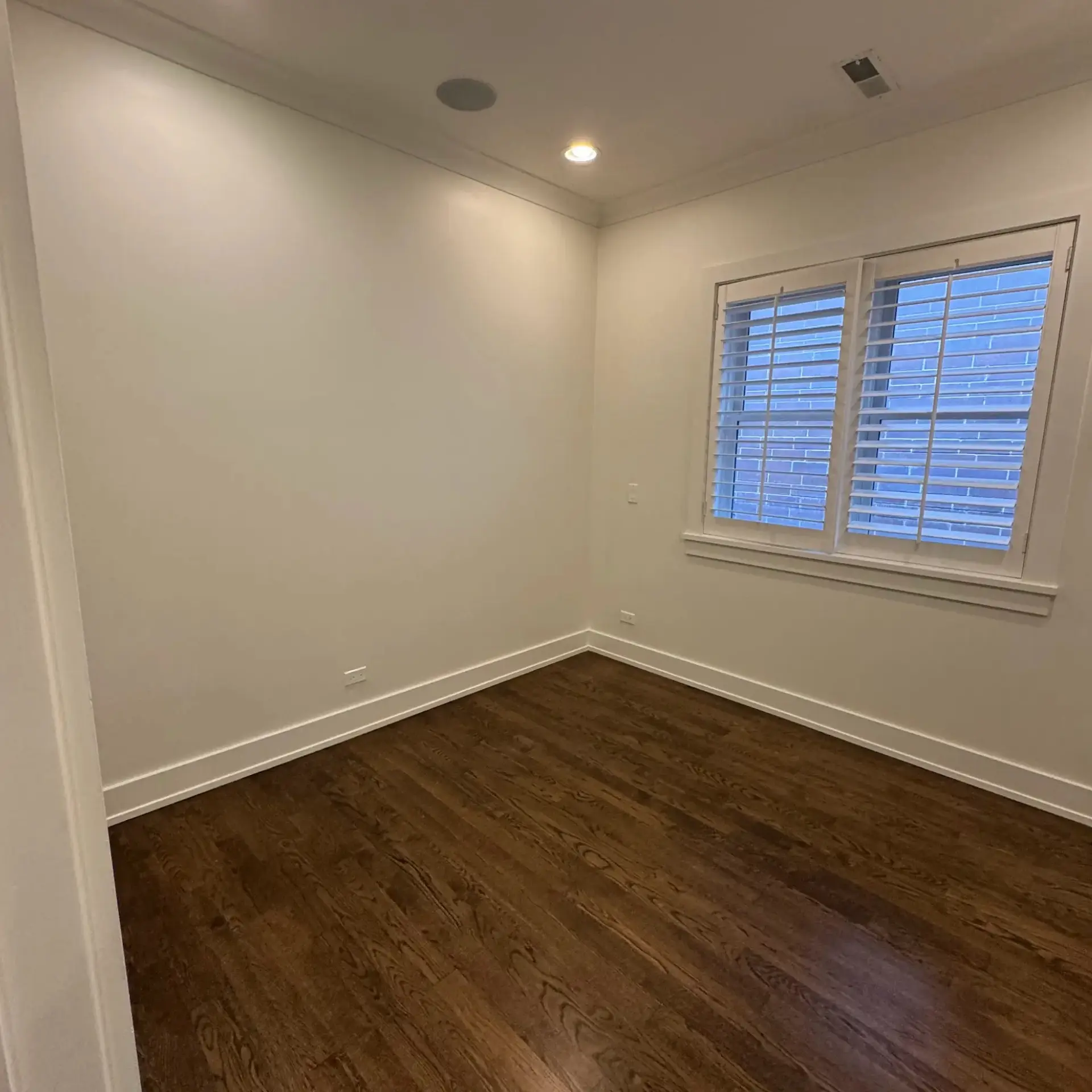
- DIY Spot Repairs vs. Professional Refinishing: Knowing When Touch-Ups Aren't Enough
When a Small Touch-Up Is Enough
Not every scuffed wall in a Lincoln Park two-flat or a Logan Square rental needs a professional crew. Part of planning any interior painting project well is knowing when the smart move is simply grabbing a brush yourself. If you have leftover paint from the original job stored in the basement or hall closet, a single wall with scratches or scuffs is usually a fifteen-minute fix. Small nail holes left behind after taking down art or shelving are patchable with a dab of spackle, a light sand, and a matching dab of paint, no professional required.
Renters repainting an accent wall in a Wicker Park studio or a Uptown one-bedroom also fall into the do-it-yourself category, especially if the space is a single flat wall with no trim complications, no water damage, and no plaster cracking. These are contained, low-risk jobs where a mistake costs a few dollars in paint, not hundreds in labor.
- Touch-ups on one wall using paint that still matches the surrounding surface
- Small nail holes, screw holes, or minor picture-hook damage
- A single accent wall in an apartment or rental with no structural issues
- Scuffs or scratches near baseboards that do not expose bare drywall
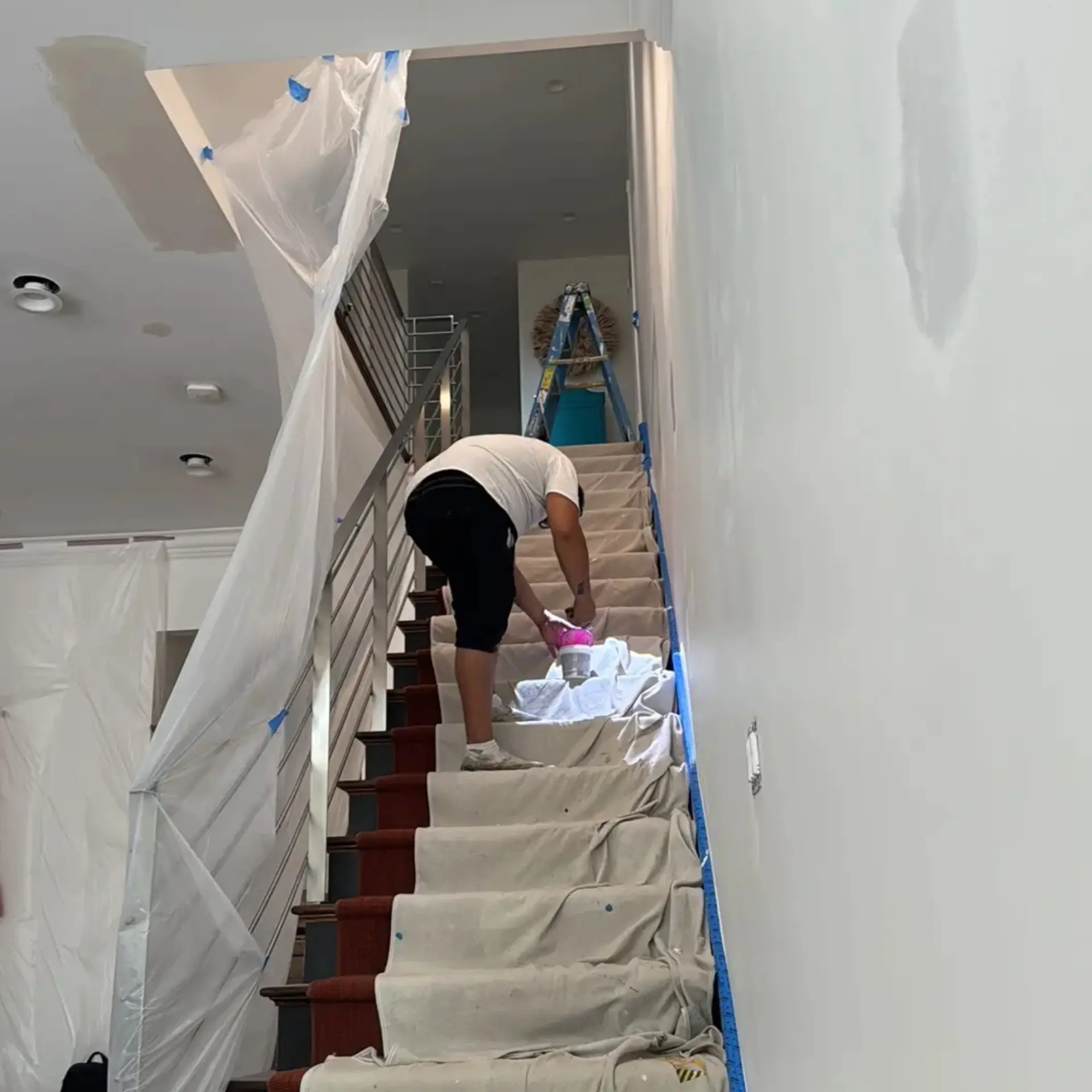
The calculation changes once the job grows beyond a single wall or surface. If you are looking at multiple rooms, especially in older Chicago housing stock like Bronzeville graystones or Pilsen brick two-flats where plaster walls are common, the work often involves more than color. Plaster cracks, bulging sections, or crumbling corners require actual repair skill before any paint goes on, and a botched patch job shows through every coat afterward. Ceiling height matters too. Many vintage Chicago buildings have nine, ten, or even twelve-foot ceilings in the living and dining rooms, and reaching them safely calls for proper scaffolding or extension ladders that most homeowners do not own or feel confident using.
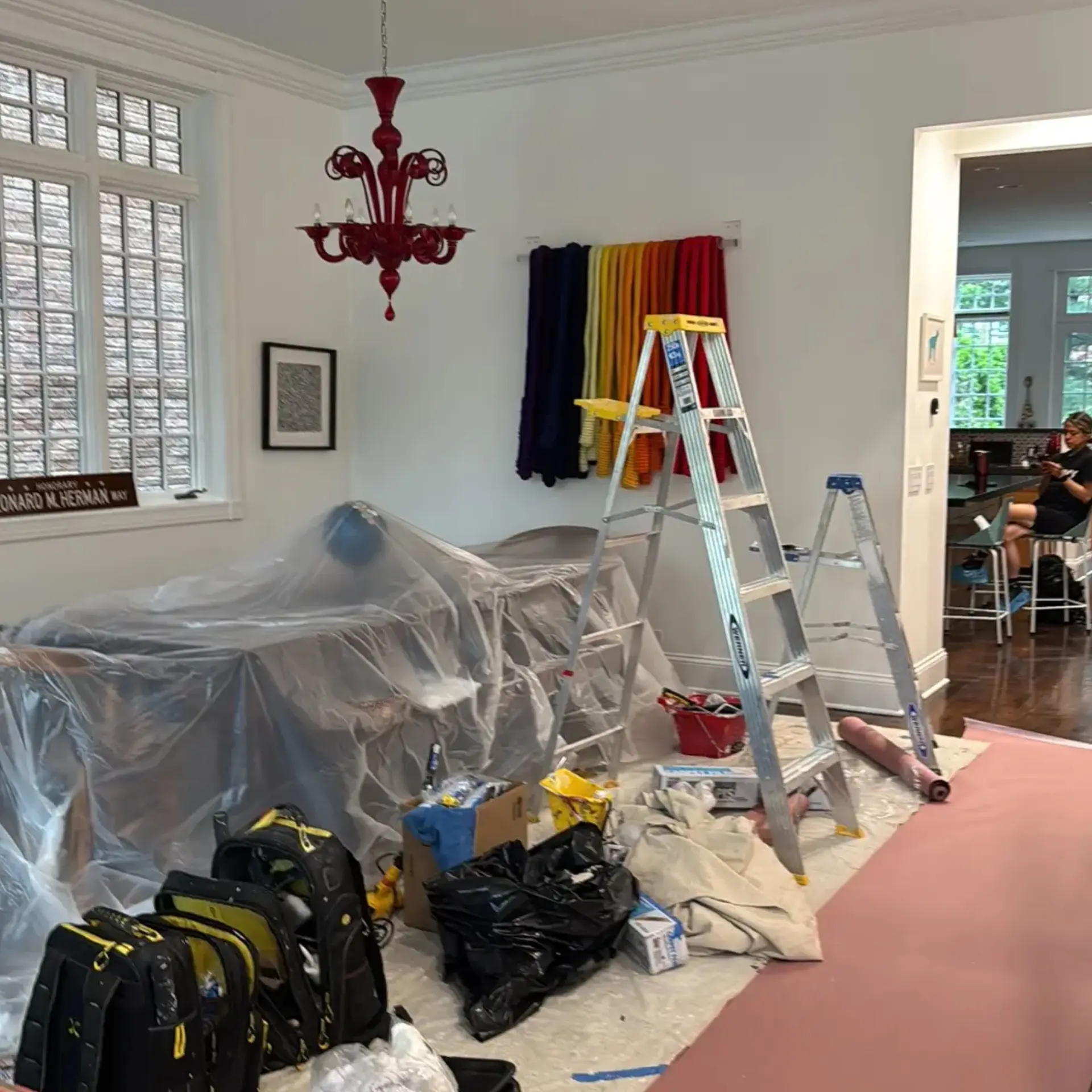
A good rule of thumb: if the project needs drop cloths in more than one room, patching beyond a nail hole, or any equipment taller than a step stool, it has crossed from a weekend touch-up into a job worth calling a professional for. Being upfront about that line is part of an honest, planning-first approach, not an attempt to talk every small job into a paid service.
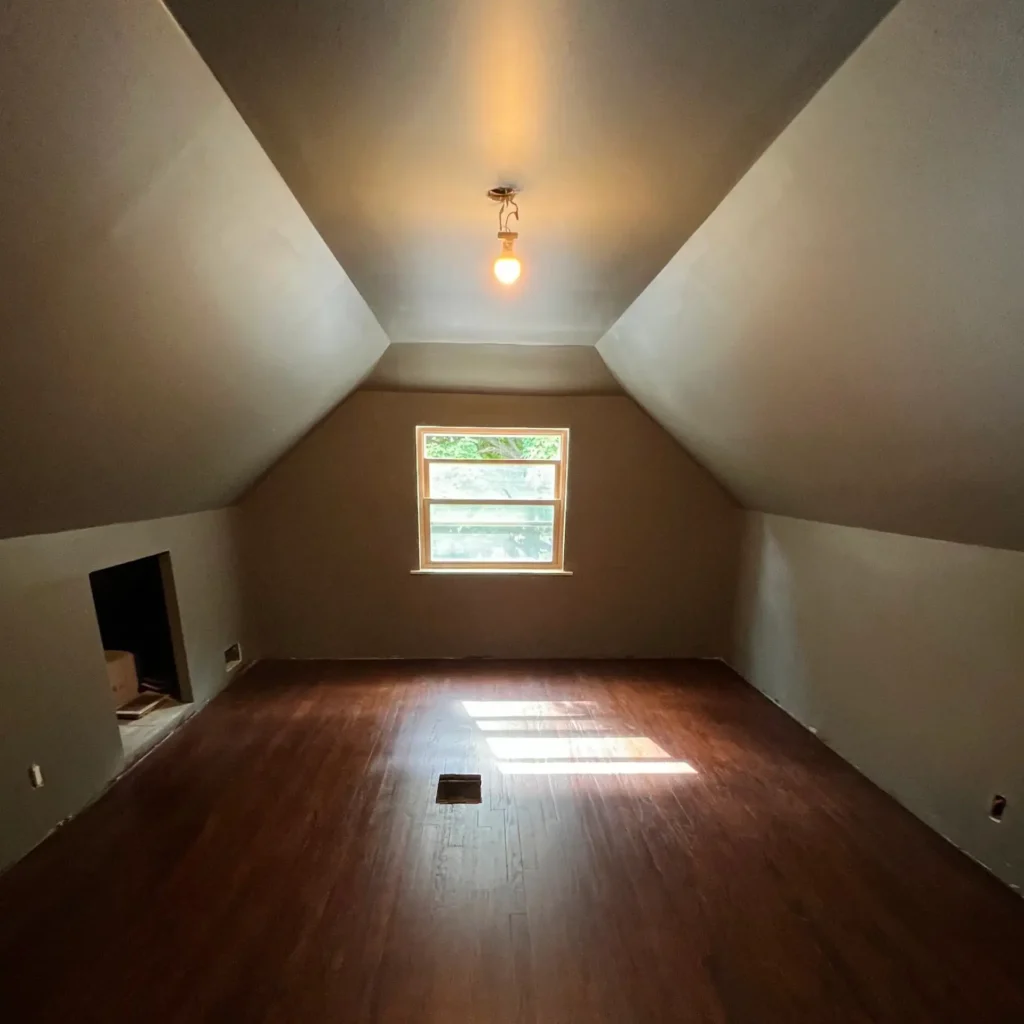
What Happens From Walkthrough to Final Coat
Planning other work in the same rooms? Explore our wallpaper removal, door painting and low-VOC painting options. For other interior spaces, see our basement painting and garage painting services.
- Walkthrough and scope review, we look at every surface and talk through color, sheen, and any repairs.
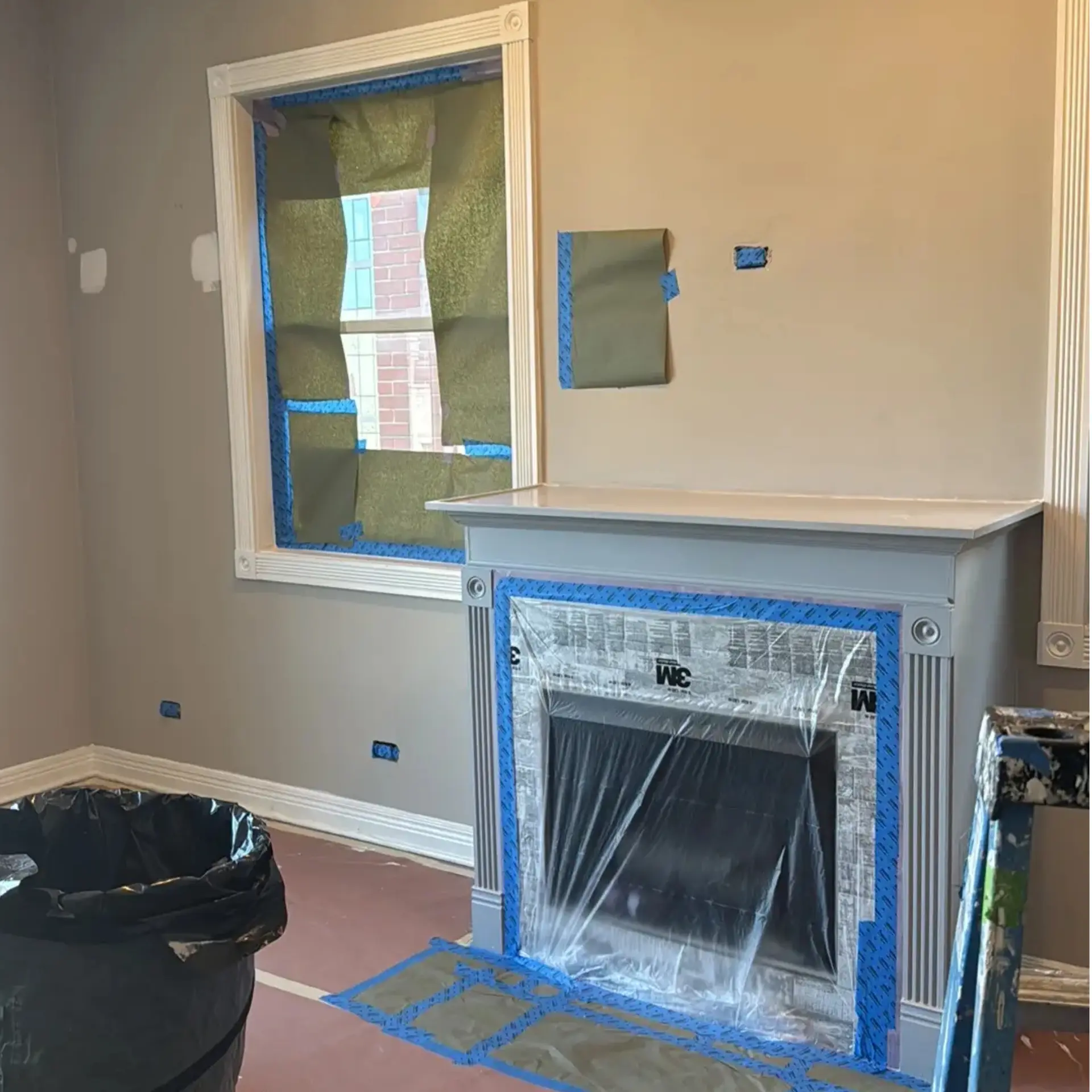
- Protection of the space, floors get covered, furniture gets moved or wrapped, trim and hardware get masked.
- Surface prep, this is patching, sanding, spot priming, and sometimes full wallpaper removal if the walls need it.
- Priming, bare patches and repaired drywall get primed so the topcoat lays evenly and doesn't flash.
- First coat goes on, we check coverage against the light in the room, not just how it looks under a work lamp.
- Second coat and detail work, trim, baseboards, and edges get cut in clean.
- Final walkthrough with you, room by room, before we call the job done.
- Frequently Asked Questions
Common questions about Interior painting
Most rooms need two coats, but a dramatic color change, like going from a dark accent wall to a light neutral, usually needs a third. Older plaster walls in prewar Chicago buildings can also absorb paint unevenly, leaving patchy sheen after just one coat. We check the wall under daylight, not just under work lights, since blotchy spots often hide until natural light hits them. That extra check keeps you from spotting flaws after we've already left.