
Commercial Painting in Chicago That Works Around Your Business
Most homeowners don’t call us the first time they notice a hairline crack. They call after they’ve watched it for a year and it’s gotten worse. That’s normal. But learning to read the early signs saves you money and stops small problems from turning into drywall repair jobs.
- detailed surface preparation
- quality control
- clear proposals
- Home
- Commercial Painting
- Paint is chalky or faded but not cracking, flaking, or lifting off the surface
- Damage is limited to scuffed baseboards, door frames, or high-traffic trim near entrances
- Only one wall or wing shows wear, likely from sun exposure or a leak that's already fixed
- Color still matches your brand or lease requirements, you just need a refresh
- Recognizing the Signs of Exterior & Interior Wear on Chicago Commercial Facilities
Spotting the Signs Your Commercial Property Needs Repainting
Chalking, peeling near windows, and cracked caulk lines are the first signs a commercial building needs paint. Catching them early costs a lot less than waiting for water to get behind the wall.
So how do you know it’s time? Most owners notice the color first, that faded, chalky look that rubs off on your hand when you touch the wall. That’s the paint breaking down under UV exposure. It’s not just cosmetic, it means the protective layer is gone.
Brick storefronts along Milwaukee Avenue in Wicker Park take a beating every winter. Freeze thaw cycles push moisture behind old paint film, and you’ll see it bubble or flake right around the mortar joints. Give it another season and that trapped moisture starts working on the brick itself, not just the paint.
We see this every single week, a tenant or manager calls after noticing one small peeling patch, and once we get up close there’s water damage spreading behind it. A faded storefront fades your business too.
Inside, look for different clues. Scuff marks near entryways, dingy hallway walls in multi-unit buildings, or ceiling stains from an old roof leak. None of that needs a full repaint on its own. But if you’re seeing three or four of these signs at once, that’s your building telling you it’s time.
EXCELLENT Based on 25 reviews
 Posted on Google
 Isabel UgazWe are very satisfied with the service provided by Empire Painters Chicago. After trying a couple of companies to repair our building fence, a neighbor recommended Empire Painters. Jorge was very fast to reply to our inquiry. He booked us in a timely manner and the job he and his team did was excellent. We will be recommending him to our neighbors and look forward to working with his team in future painting projects.Posted on Google
 Alice VilaJorge did a great job. He protected all of the woodwork and cleaned up. Did work as promised in the tine frame we required. Very professional. Would definitely hire again.Posted on Google
 maryann Sprinkle-WalkerHighly recommend Jorge for painting & accent walls! His precision & attention to details is insane!! A true perfectionist! I wish I had taken photos on him taking measurements, marking the spaces like an engineer with the various tools!! Added wainscoting on staircase Accent wall in dining room & family roomPosted on Google
 Deanne SchaeferOutstanding workmanship More than I even hoped for Referring to mybfriendsPosted on Google
 manuel moncadaThank you, Jorge, for all your work and professionalism. It's been a pleasure to witness how you take care of every detail and take ownership of each project. See you next time.Posted on Google
 Randy BrownThe team did a great job on my project. I had several contractors turn down the job due to some of the specs. Very happy with the way the painting of my building and cabinets turned out.Posted on Google
 Rogelio CarrascoEmpire Building Inc is a great company, provides a great service, they are honest, reliable, professional, and very responsible.Posted on Google
 Diliana TeranI worked with Empire Building Inc. team for an interior painting to my house and I need to said, that was excelente experience from they started their job until finished it. The more important, was how they managed stress-free the entire process felt. His owner Jorge handled everithing with professionalism and confidence. From day one, I felt that the project was fully under control, we had communication, organized planning, they gave me updates papers. Another, the best part was how they were to work, like preparation and protection of the house. All furniture and floors were carefully covered, the space stayed clean, and there was great attention to detail throughout the job. It was obvious this wasn’t just painting. It was a professionally managed service. The final result looks beautiful and precise, but what really made the difference was they gave me peace mental. I didn’t worry or supervise anything. Jorge knows what he was doing and took responsibility for the outcome. If you’re looking for a painter interior professional on Chicago who gave you high-quality results and makes the process easy. totally, I recommended to Empire Building Inc., team.Posted on Google
 Michelle SciannaEmpire Building was both friendly and professional. We were so happy with how our garage turned out (painted). We would highly recommend Jorge (Empire Building). We will also call on Empire Building for future projects.
Get a precise, itemized estimate in under 24 hours.
Our local Chicago commercial painting specialists are ready to review your property, answer technical coating questions, and build a project schedule around your operating hours.
- No hidden fees
- 15-minute response target
- Fully insured & warranted
When a Full Repaint Isn't Necessary Yet
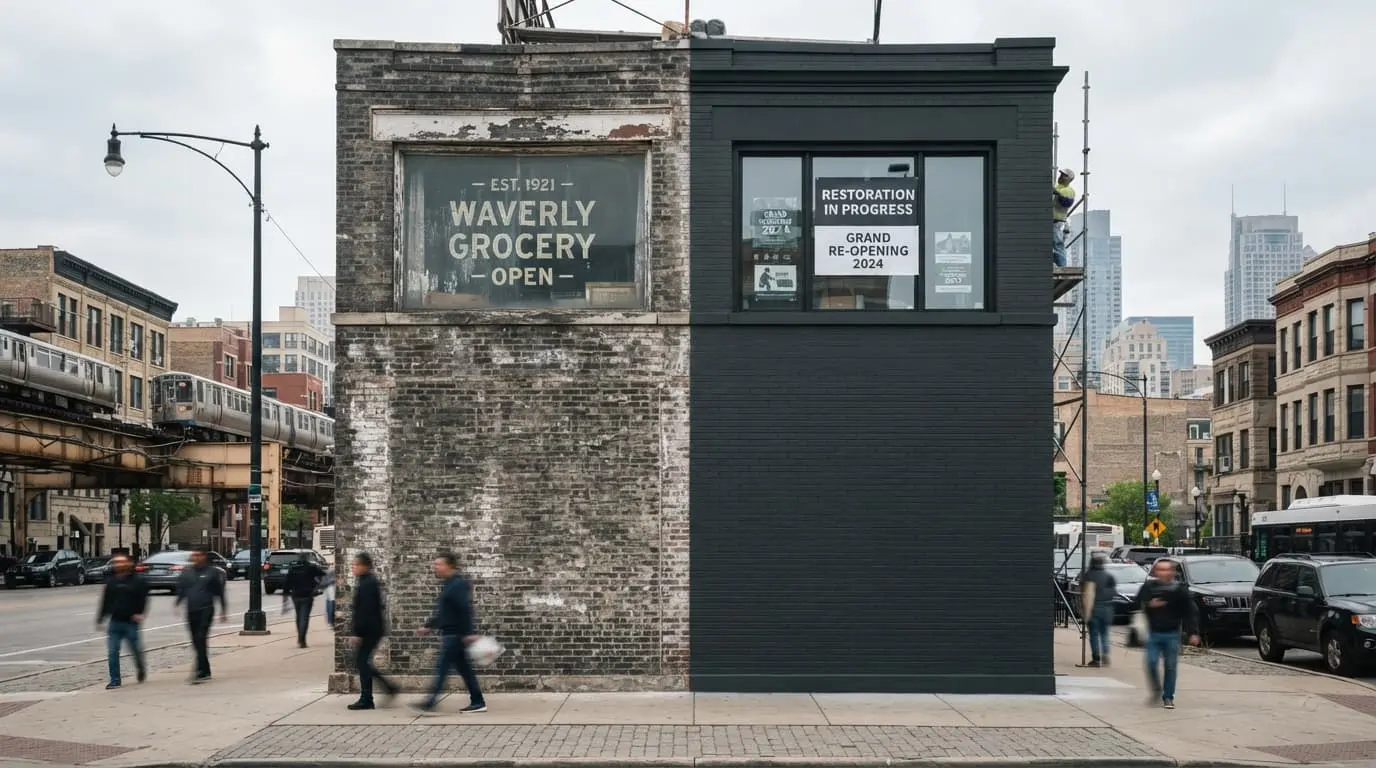
Not every building needs a full repaint. We say that even though it costs us work, because it’s true.
If your storefront on a West Town commercial block looks tired but the paint film itself is still bonded tight, no cracking, no peeling, you probably just need touch-ups and a good cleaning. Power washing pulls off years of street grime and exhaust film, most of what makes a facade look dull isn’t failing paint, it’s dirt sitting on top of it.
We check for a few things before we ever recommend a full job
- Paint that chalks or rubs off when you brush against it
- Cracking or peeling around window frames and door trim
- Bubbling paint near brick or masonry seams
- Faded signage or storefront colors that look tired next to neighbors
- Caulk lines pulling away from siding or trim joints
In those cases, spot priming, touch-ups, and trim painting handle it. And that’s usually a fraction of the disruption to your tenants or staff.
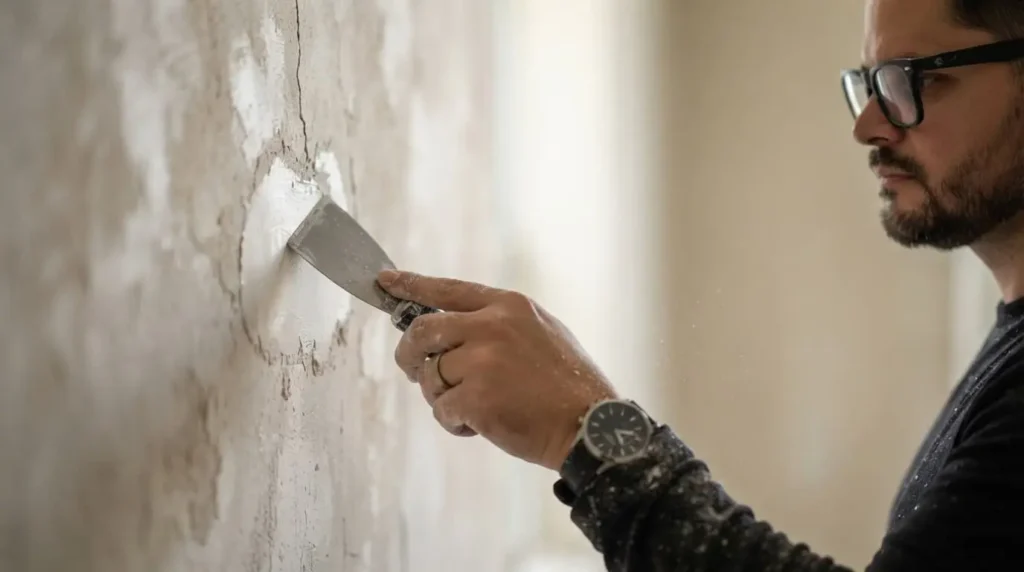
Here’s where it flips. If you’re seeing paint peeling off in sheets, bubbling near windows, or bare wood showing through on siding, that’s not cosmetic anymore. , once we find peeling on one elevation of a building, there’s moisture damage underneath it we need to address before any paint goes back on.
So don’t assume the worst before you call. But don’t ignore active peeling either, that one’s not a touch-up problem.
Contact Information
- 3604 W Schubert Ave, Chicago, IL 60647, United States
- (312) 725-3621
- Monday - Saturday 8 AM - 6 PM
- Sunday: Closed
- Flexible Off-Hours Painting Solutions Designed for Zero Business Interruption
Scheduling Work Without Closing Your Business
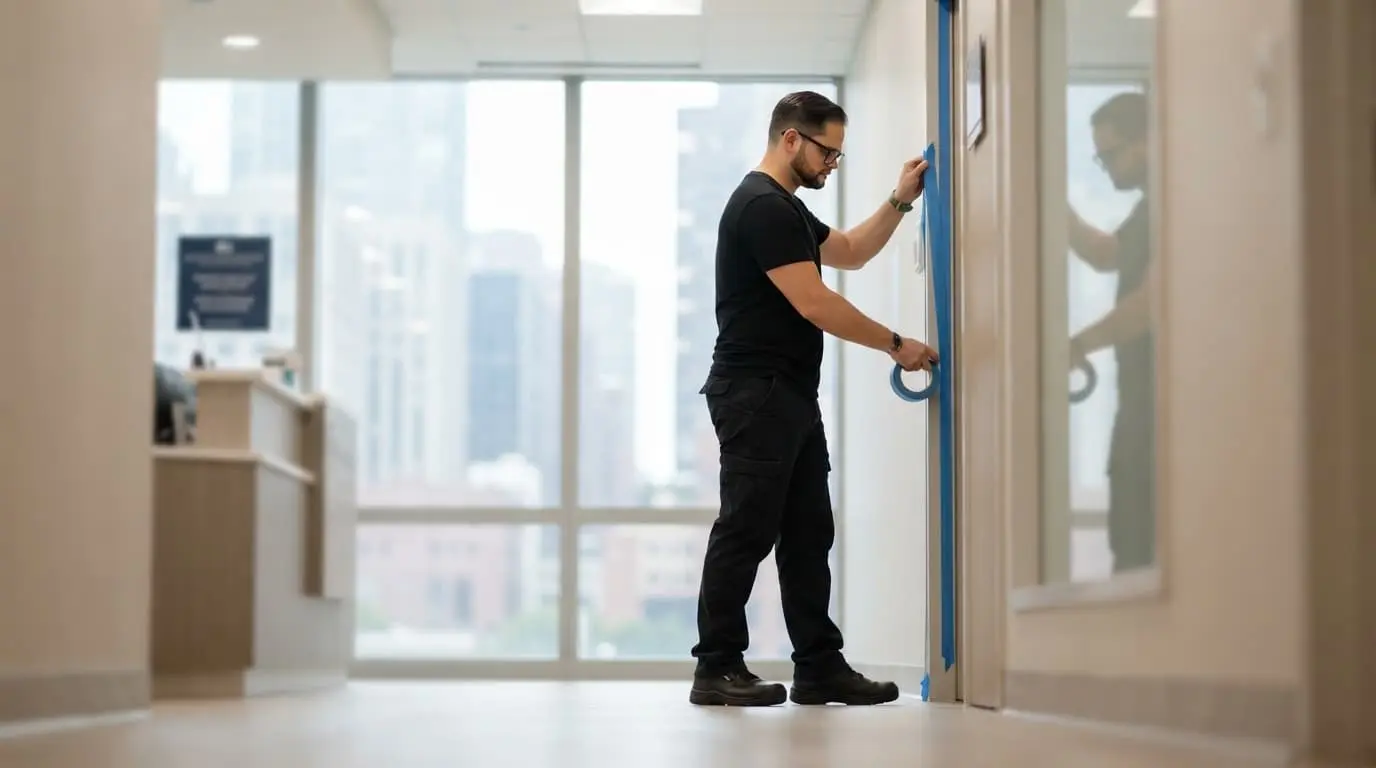
You can’t shut down a retail shop or an office for three days just to get walls painted. We get that. So the schedule gets built around your business, not the other way around.
Most commercial jobs in Chicago get split into zones. We paint the back office while the front stays open. We finish the lobby on a Saturday when foot traffic drops. A restaurant might only give us the hours between close and next open, so we plan for that and move fast without cutting corners on prep.
- Night and weekend shifts for spaces that can't close, common with office painting and retail buildouts
- Low-odor products when staff or customers are on site during work
- Section-by-section sequencing so one area finishes before the next starts
- Protection over floors, fixtures and inventory in areas still in use
Before anything starts, we walk the space with you. Access times, elevator use, parking for the crew, where materials can stage overnight, all of it gets nailed down first. A property manager we work with once needed a stairwell repainted without blocking tenant access, we split it into two half-flights and it never shut down.
That kind of planning isn’t extra. It’s the job.
Have questions? We’re happy to help.
- Specialized Coating Systems for Historic Chicago Masonry, Brick, & Mixed Surfaces
Painting Older Storefronts and Mixed-Surface Buildings
Chicago’s older storefronts are rarely one material. Walk down a block in Avondale or Logan Square and you’ll see brick facades built close to a century ago, wood trim added later, aluminum storefront frames from a 1980s remodel, and maybe a stucco patch someone tried to blend in. Each of those surfaces takes paint differently.
The brick soaks up paint slower than the wood, the metal barely absorbs it at all, you can’t treat all three the same way and expect the finish to hold.
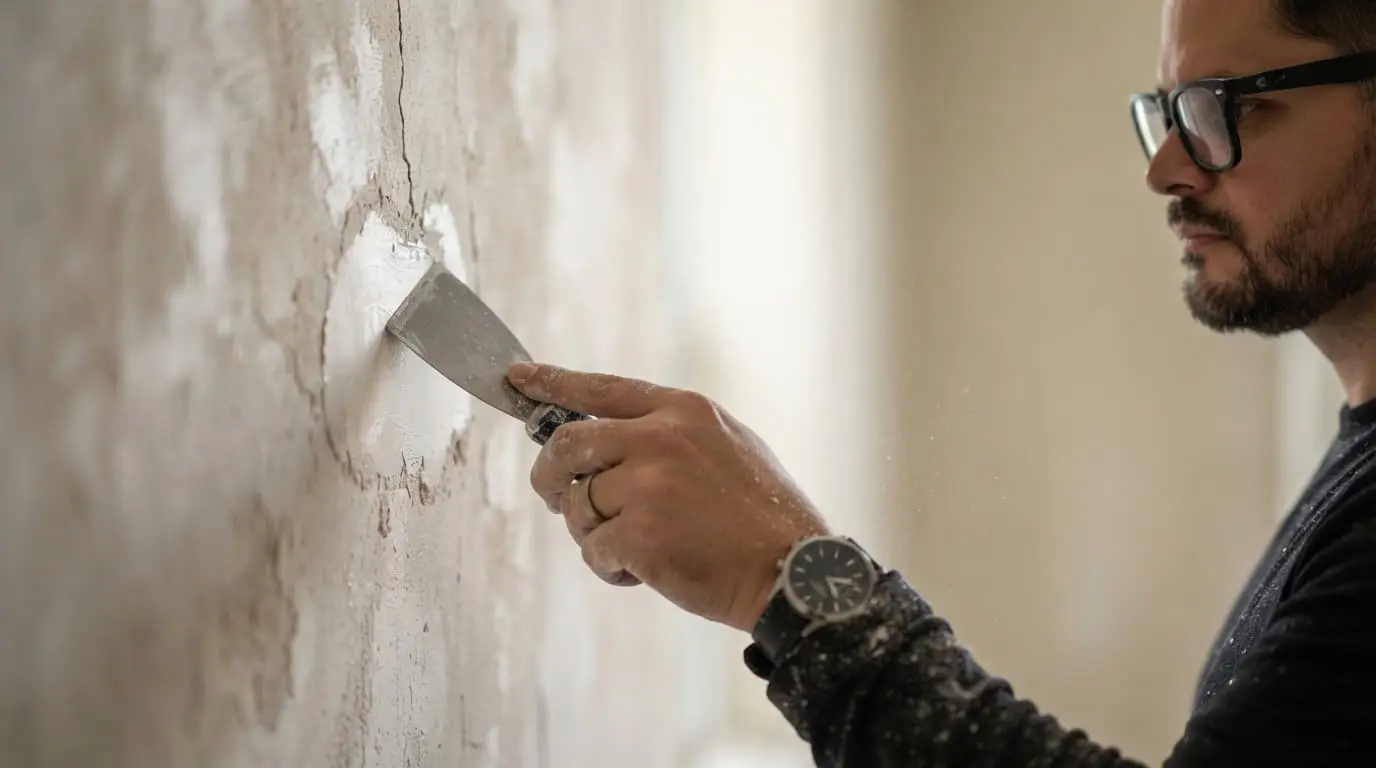
This is where surface priming earns its keep. Skip it or rush it, and the paint job looks fine for a season, then starts peeling in patches where the substrate underneath was never sealed right.
- Old masonry that's porous and pulls moisture from behind the wall
- Wood trim with years of built-up paint layers that need scraping or sanding first
- Metal storefront frames that need a bonding primer or the new coat won't grip
One coat doesn’t fix twenty years of neglect.
We treat every material on the building as its own small project inside the bigger one. That’s the project management side of this work, planning out which surface gets which prep and which primer before a single brush touches the wall. It’s less exciting than picking a color, sure, but it’s the part that decides whether the job still looks sharp in three years or five.
Best Season for Exterior Commercial Painting in Chicago
Timing matters more than most people think. Paint needs a dry surface and a steady temperature to bond right, not just a dry day. In Chicago, that window is smaller than folks assume. Spring and fall give us the most reliable stretch, usually mid-April through early June and again from September into October.
Summer sounds obvious, but it isn’t always the best pick. Lake Michigan pushes humidity into the city on hot afternoons, and that moisture slows drying and can trap it under the topcoat. We’ve opened up a wall in July and found tackiness three days after application. That’s not a failure of the product, it’s just physics working against you.
- Surface temperature needs to stay in the manufacturer's range for the full cure window, not just at application
- Morning dew on brick and siding needs to burn off before we start priming
- Section-by-section sequencing so one area finishes before the next starts• Wind off the lake can dry paint too fast on one side of a building and too slow on the other
- Freeze-thaw cycles in late fall crack any coating applied too close to winter
Older masonry around Logan Square and Avondale, a lot of it common brick from the early 1900s, holds moisture longer after rain than newer construction. That means we build extra dry time into the schedule before priming those facades, and it’s why we watch the forecast closer than the calendar.
Winter work isn’t off the table entirely for interior prep, but exterior commercial painting in Chicago pretty much shuts down once nightly temperatures drop below what the coating requires. Planning ahead in late winter, before the spring rush books up, gives you the best shot at the good weather window and a crew that isn’t racing another job right behind yours.
- FAQs
Common questions about Commercial painting
We start most commercial jobs within a week or two of your walkthrough, depending on the size of the space. Before anything begins, we visit your property to check access times, parking for the crew, and where materials can stage overnight. That planning happens before we ever pick up a brush. Retail shops and offices often need night or weekend shifts so the schedule works around your hours, not the other way around. Call early if you have a lease deadline or event coming up.
Chicago's freeze-thaw cycles shrink your painting window to a specific stretch of dry, steady temperatures each year. Paint needs both a dry surface and stable heat to bond, not just a clear sky. Brick storefronts along Milwaukee Avenue in Wicker Park take the hardest hit each winter, when moisture gets trapped behind old paint film and bubbles near the mortar joints. Waiting past that window risks the paint failing early. Booking during the right season protects your investment for years, not months.
Your crew arrives with floors, fixtures, and inventory already planned for protection before any paint comes out. We walk the space with you first, then split the work into zones so parts of your business can stay open. A restaurant might only give us the hours between close and next open, so we move fast without skipping prep. Low-odor products get used if staff or customers are on site. You'll always know which section we're working on that day.
No, most commercial jobs get planned so your business stays open the whole time. We paint the back office while the front stays running, then finish the lobby on a slower day when foot traffic drops. One property manager needed a stairwell repainted without blocking tenant access, so we split it into two half-flights and it never shut down. Section-by-section sequencing and flexible hours are standard for retail and office spaces across Chicago.
You likely just need touch-ups if the paint film is still bonded tight with no cracking, flaking, or lifting anywhere. Power washing alone often fixes a dull-looking storefront, since dirt and exhaust film cause most of that tired look, not failing paint. But if you see paint peeling in sheets, bubbling near windows, or bare wood showing through siding, that's active damage, not cosmetic wear. Catching three or four warning signs at once usually means it's time for a full job.